
Skip to content ↓
Home page

Bexley Grammar School

  • Home
  • Our School
    • Our Values and Vision
      • Aims
      • School Prospectus
      • Specialisms
    • Developing Compassionate Leaders
      • Academic Council
      • Environmental Action Group
      • House System and Captains
      • Jack Petchey Achievement Award
      • Peer Mentors
      • Prefects
      • School Council
    • Opportunities at BGS
    • Celebrating Diversity and Inclusion
      • Afro-Caribbean Society
      • Anti-Racism
      • Balkan Eastern European Society
      • EmpowHer
      • SEND
    • Our Community
      • Alumni
      • Governance
      • Parents' Association
      • Penhill Academies Trust
      • BGS Websites
    • Wellbeing
      • BGS Wellbeing Wall
      • Support for Parents/Carers
      • Support for young people
      • WELLBEING NEWSLETTER ARTICLES
    • Ofsted
    • Examination Results
  • Information
    • Term Dates
    • School Life
      • School Opening Hours
      • School Uniform
      • Code of Conduct
      • School Canteen
      • Co-Curricular Clubs & Opportunities
    • Facilities
      • Library
    • Support for disadvantaged students
      • Pupil Premium
      • Free School Meals
      • Free 11+ Familiarisation Materials
    • School Fund
    • Policies
    • Statutory Information
    • Safeguarding
      • Safeguarding during closures
      • Safeguarding Updates
  • Teaching & Learning
    • Curriculum Journey
      • KS3
      • Year 9
      • KS4
    • Subjects
      • Art
      • Classics
      • Computer Science
      • Design Technology
      • Drama & Theatre Studies
      • Economics & Business
      • English
      • Faith, Belief, Culture & Society
      • Geography
      • History
      • Mathematics
      • Modern Languages
      • Music
      • Physical Education
      • PSHCE
      • Psychology
      • Science
    • Careers
    • STEAM (formerly STEM)
      • STEAM Newsletter Articles
      • STEAM PHOTO GALLERY
      • STEAM Scientific Reviews & Recommendations
    • PTI Mark
  • Sixth Form
    • Year 12 Admissions
      • Sixth Form Bursary
      • Life Skills and Policies
    • A LEVELS
      • ARTS
      • ENGLISH
      • HUMANITIES
      • LANGUAGES
      • MATHS AND FURTHER MATHS
      • SCIENCES
      • EXTENDED PROJECT QUALIFICATION
    • The IB
      • What is the IB?
      • Creativity, Activity, Service (CAS)
      • Extended Essay
      • Theory of Knowledge (ToK)
      • Curriculum Statement
    • Post-18 Destinations
      • Comments from BGS students
      • Comments from our parents
    • FAQs
    • Sixth Form News
    • Sixth Form Gallery
  • News & Events
    • LATEST NEWS
    • E Newsletters
      • E newsletters
    • School Magazine
    • Examination News
    • Letters Home
    • Calendar of Events
  • Join Us
    • Admissions
      • Admissions Consultation
      • Admissions Policies
      • Admissions FAQs
      • Appeals
      • Ask the Headteacher
      • Free 11+ Familiarisation Materials
      • In-Year Admission
      • Supplementary Form
      • The Bexley Selection Test
      • Waiting List Year 7
    • Vacancies
      • Teaching Staff Vacancies
      • Support Staff Vacancies
      • Senior Leadership Vacancies
      • Registration of Interest
    • Contact Us
Apply Now
  • PA Facebook
  • Alumni Facebook
  • Sixth Form
  • Sixth Form News

Historic True Crime Lecture with J. Stoddard
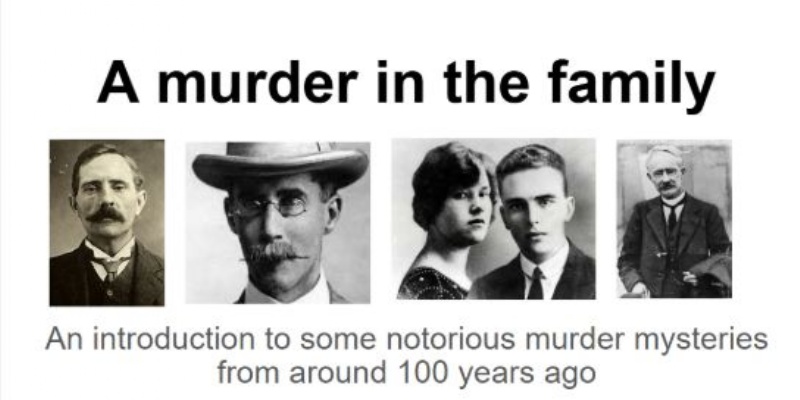
On Monday, 3rd February, around 30 students attended Ms Stoddard’s True Crime Lecture.

The lecture focused on a series of notorious British homicide cases from the late 19th to early 20th century. At the start, the relevance of these cases was highlighted through a recent poll, which revealed that 55% of Brits believe the death penalty should be reinstated, 32% are strongly against it, and the remaining 13% are undecided.

Before this lecture, I had a fairly black-and-white view of the death penalty. However, when we learnt about the infamous Shipman case, we were shocked to hear that if capital punishment had still been in place at the time of his trial, he would most likely have walked free—despite strong evidence against him. This was due to the fact that the key connecting point of evidence in his case relied on similar fact evidence, a concept Ms Stoddard explored in detail.

Similar fact evidence was first seen in George Joseph Smith’s case or the ‘Brides in the Bath’ case. Smith was a “pre-internet catfisher”, and serial killer who married multiple women under false identities, took out life insurance policies on them, and then drowned them in bathtubs. The key piece of evidence in this case was the strikingly similar circumstances of each death, which led to his conviction. Recognising patterns in criminal behaviour and played a crucial role in shaping legal discussions on using past similar crimes as evidence.

One of the first things we discussed was how the motivations behind crimes have changed over time. A significant difference between past and present crimes lies in morality and social responsibility. For example, in the Edith Thompson case, Edith was found guilty despite no direct evidence linking her to the crime, her lover fatally stabbed Percy, and while he admitted to the attack, he insisted Edith had no involvement. However, romantic letters from Edith to him, which included references to wishing her husband dead, were used as evidence against her. It appears that the jury found her guilty largely because she had committed adultery. We looked at how the jury most likely felt that they couldn’t acquit her as they felt she had committed a crime (adultery). Despite the fact that she was never directly accused of murdering her husband—and even though her lover confessed to single-handedly committing the crime—she was still executed.

Another case we explored was that of William Herbert Wallace, still one of the most puzzling murder cases in British legal history. Convicted of murdering his wife, he was later exonerated due to insufficient evidence, an unusual outcome for the time. The jury was seen as taking too little care and ignoring a lot of evidence from the trial. The case was particularly interesting as Wallace had an alibi that placed him on the other side of Liverpool at the time of the murder, raising questions about whether he was wrongly accused. This case is still widely debated, once again demonstrating how impactful circumstantial evidence is.

The lecture overall, made me think of how much grey-area the death penalty comes under and the importance of circumstance in individual cases.

Lucy Gowing, Year 12

In this section

  • Year 12 Admissions
  • A LEVELS
  • The IB
  • Post-18 Destinations
  • FAQs
  • Sixth Form News
  • Sixth Form Gallery

Developing
Compassionate
Leaders

  • IB
  • The Prince
  • Science
  • Language Colleges

© 2026 Bexley Grammar School | Website design by e4education | High Visibility Version | Accessibility Statement | Sitemap | Privacy Policy | Cookie Settings

Cookie Policy

This site uses cookies to store information on your computer. Click here for more information