
Senior Science Society ~ Real-Life Ethical Issues In Neurology
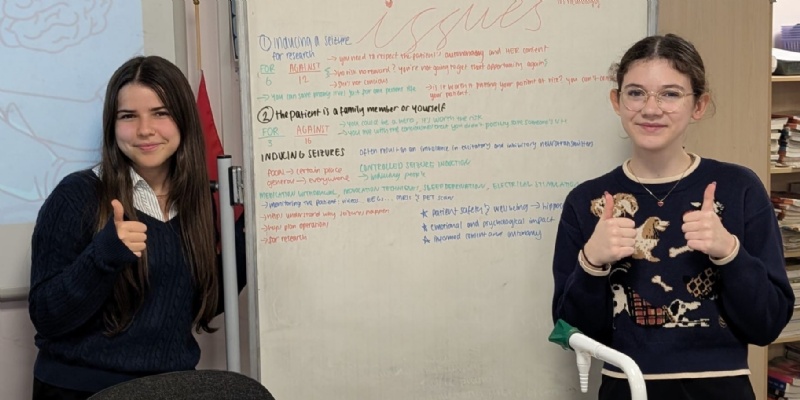
This week, I presented “Real-Life Ethical Issues In Neurology” at Senior Science Society!
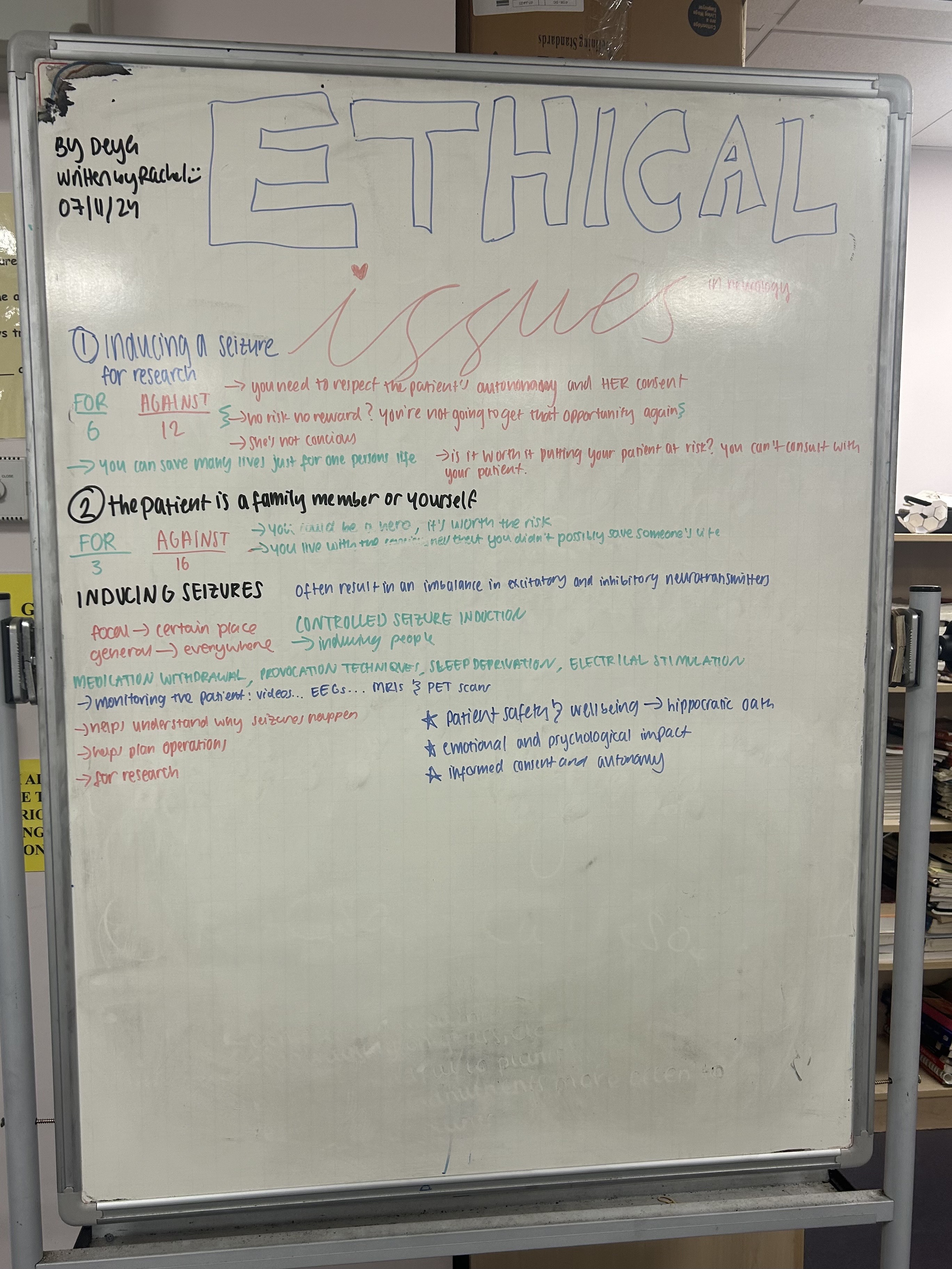
 This is a topic I find incredibly fascinating and was eager to explore further. The Senior Science Society discussion (Thursday lunchtimes in M15) was on clinically induced seizures. My presentation began with a hypothetical scenario where everyone had to place themselves in the role of the doctor advising a patient. The scenario included a patient with a widespread condition of seizures caused by epilepsy which remains uncured. The doctor is given an opportunity to clinically induce a seizure in the patient, which would provide the information needed to cure this condition and potentially save millions, but it could also be fatal for the patient. Surprisingly, 12 people voted against the controlled seizure, whilst only 6 voted for the seizure. Most of the group believed that there were too many ethical issues in placing the patient in a controlled seizure, knowing that it could cause long-lasting physical and psychological harm. Then, when the scenario changed and the patient was now a close family member (or yourself), the vast majority (16 people) voted against the seizure and only 3 voted for it! Some people argued that it was “worth the risk”, whilst others oppositely argued that they believed their life was too precious, and would not be worth ending for a scientific discovery.
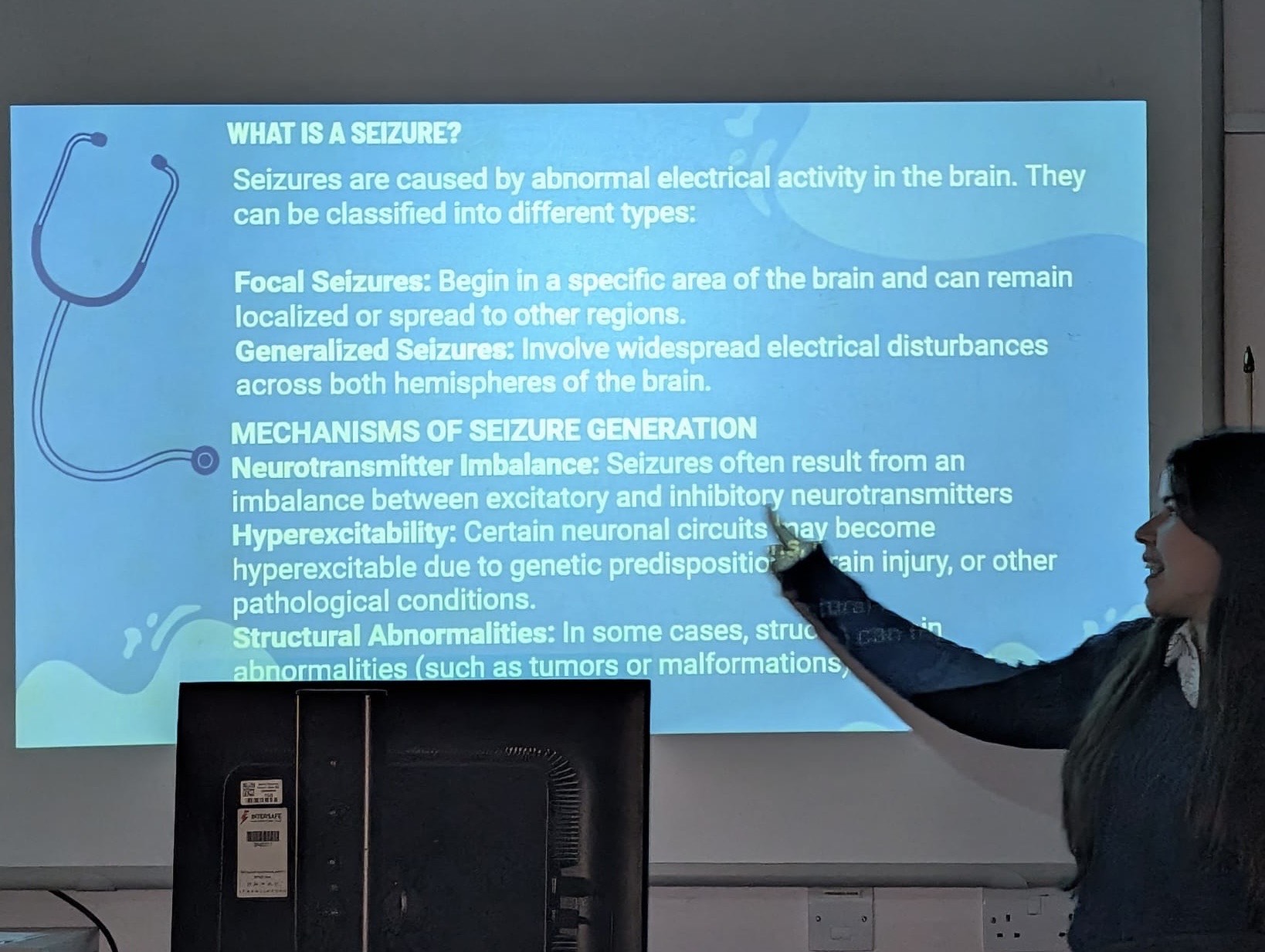
Seizures can either be focal (localised in one part of the brain) or generalised (widespread across the brain) and I explored the many techniques used to clinically induce seizures, which include photosensitivity tests, medication withdrawal (AEDs), sleep deprivation, electrical stimulation or stressors. Something I found interesting was that there are both invasive types of electrical stimulation (cortical stimulation with electrodes) and also non-invasive techniques (transcranial magnetic stimulation with magnets). This is followed by monitoring, data collection and then applications of the induced seizure. And finally, we discussed in further detail the specific ethical issues and considerations, including the Hippocratic Oath followed by doctors specifying that they will do no harm.
Presenting the science behind clinically induced seizures, as well as having group discussion about the ethics, was very fascinating to me. I can’t wait to see what is being discussed next week!!
Deya Dimitrova, Year 12