Remembrance Day 2026
 The guns of the First World War fell silent well over a century ago and with each passing year we run the risk that this conflict disappears into the past.
As the years pass, the immediacy wanes, narratives simplify and the complexity is lost. It is often easier to memorialise (and fictionalise) the Second World War with its moral clarity of good vs evil. The confusion of the causes of the First World War, the roles of Imperialism and race, and the fact that the world these men inhabited could not feel more different from the high-tech world we currently live in.
However, that the legacy of the First World War has endured, is a testament to all of our memories as much as to the impact of the war on Britain. As a society, we have decided that we need to keep this memory alive and relevant, long after the men who fought it have disappeared into history. The need to remember is something that is still felt throughout the land, seen in the services on Remembrance Sunday or the place the conflict still holds on the curriculum at schools all across the country.
Like something we see on TV or revere from a distance, over time our collective memory of the war has become generalised and standardised. It is easy to forget the individuality of the men who marched off to war and ended up paying the ultimate price. It is important to try and remember them as individuals and try to ensure that their stories remain alive. They were not vast groups of nameless individuals but people with their own lives, loves and stories.
A few years ago, the East Wickham and Welling War Memorial Trust produced a war diary for the area to record the impact of the war on the immediate local area. This book contained a trove of stories about local men who had given their lives for this country and this area. This article will look at one of those men, Private Stanley Hull.
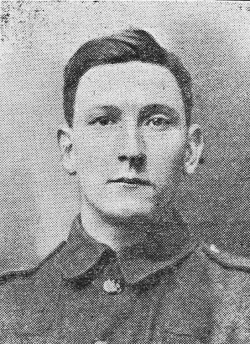 Stanley was born in Woolwich on the 5th March 1894. His father was a furniture shopkeeper there before moving to 32 High Street in Welling. Today, this is the shop next to The Nag’s Head, but it used to be a furniture shop. In 1911, Stanley was one of five children living at this address with his parents. Sadly, this family had already lost 7 children prior to this, showing the fragility of the lives led by people over a century ago.
On 22 September 1916, Stanley enlisted in the Army at Woolwich, assigned to the 2/8 Battalion, Durham Light Infantry. The enrolment form stated that he was 5 feet, 10 inches tall, a skilled labourer and single. He was 22 years old. At first, his health was classed as B1, which meant that he was considered able to march 5 miles, see to shoot and hear well. It also meant he was fit enough for Garrison Service Abroad. However, following inoculations, on 31 October 1916, he was reclassified as A1 – fit for general service and able to march, see to shoot, hear well and stand active service conditions, and so could be sent to France.
Given that he volunteered, he must have had mixed emotions here. He would have wanted to do his bit for King and Country, but the prospect of going to the trenches would have held some dread. Despite growing censorship, the casualty lists told their own story. Only a few months earlier, the first day of the Battle of the Somme had seen nearly 20,000 men killed in one day. His training took the best part of a year, but by the following summer he was ready to be sent to France.
On Friday 15 June 1917, probably the day he was posted to France, Stanley signed a will which stated: “In the event of my death I give £15 to my mother of 32 High Street, Welling Kent, and in the event of her death my sister Gladys of the above address, and I give the remaining of my property to my sister … Gold watch and chain to my brother and my motorbike”. Here is something we might all recognise. A young man keen to see that his mother got any money he might have and giving his most prized possessions, his bike and his watch to his brother.
On 5 July 1917, he was posted to the 13th Battalion, which was serving in the Ypres salient where the third battle of Ypres was in full swing. Through July and August most of the British attacks were pushed back. Much of September was taken up with preparations for a new assault, including a huge artillery barrage which began on 31 August. Thoroughly wet by overnight rain, on the early morning of 20 September, 65,000 British and Commonwealth troops advanced on an eight-mile front. Stanley’s company was initially in the reserve force but was sent forward after a few hours to help reinforce the Battalion. On 21 September, Stanley remained on the front line all day and endured heavy enemy counterattacks. In total, over the two days, the battalion lost 9 officers and 200 other ranks, killed, wounded or missing.
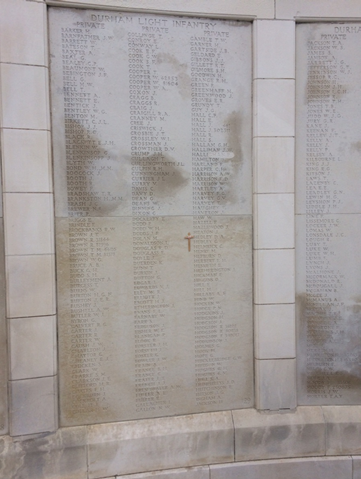
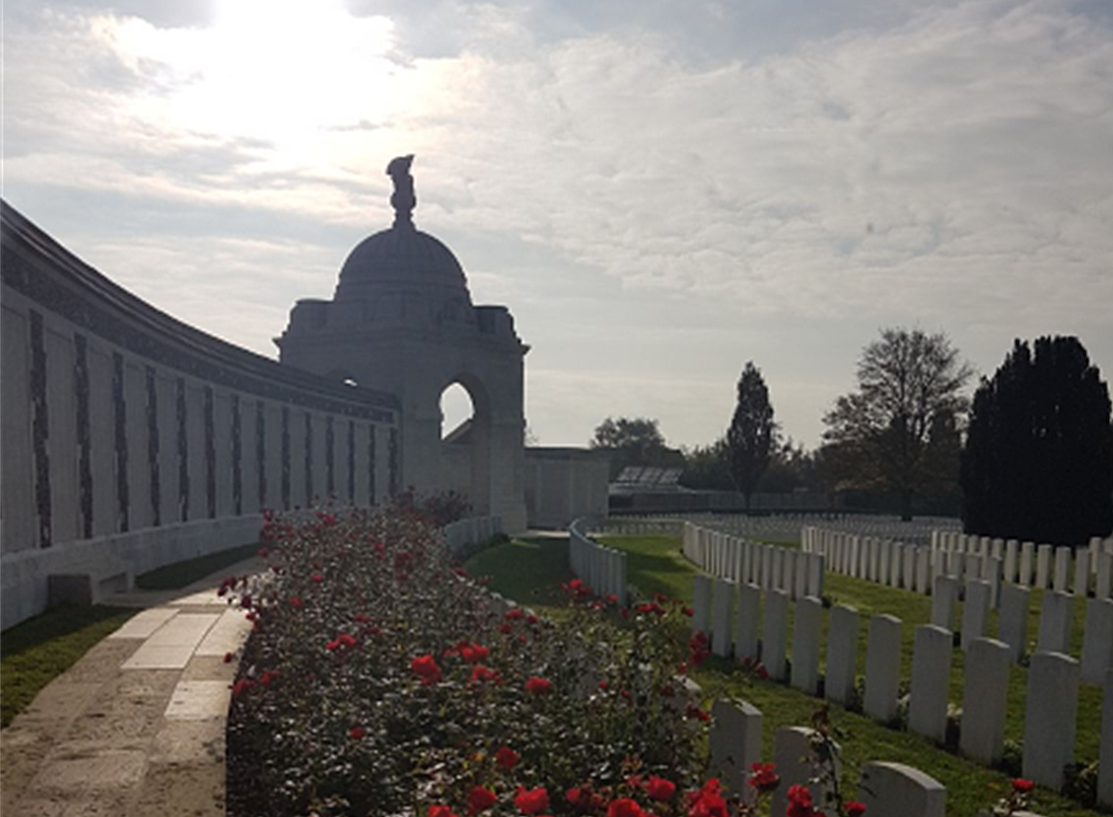
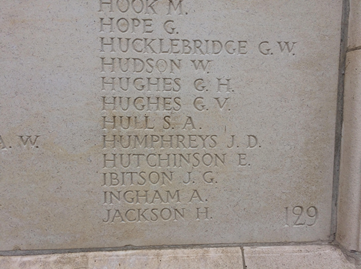
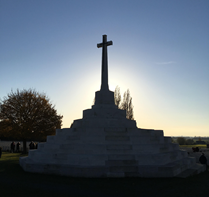
Tragically for his family, Stanley Hull was one of those killed on the 21st. His Field Service Report states simply that he was Killed in Action “In the Field” in France. From what we know of the action, it is reasonable to assume he died attempting to hold the gains of the previous day against one of the enemy counterattacks. He has no known grave and his name is recorded in Tyne Cot Cemetery (near the bottom of the image) memorial to the missing. He was one of nearly 21,000 British and Commonwealth casualties suffered between 20 and 25 September at the Battle of the Menin Road Ridge.
His brother, who also fought, survived the war and wrote home in a letter that was published in a newspaper. “It is extraordinary to what extent humans can endure and that such a long and terrible conflict should be allowed seems almost too horrible. He was posted to the front as an officer and survived the war.
Hopefully, this gives us something to think about in the 2 minutes' silence. From Welling to Tyne Cot, a journey replicated by our annual trip to Belgium. A trip symbolically echoing the around 50 men from Welling who gave their lives in the First World War. They lived in places we know. Six men lived on Upper Wickham Lane, 3 brothers lived on Carlton Road and one man lived at 1 Elsa Road. It is vital to remember that the world they came from wasn’t all that different from ours. They lived in the same houses as many of us, and they would have recognised many of the streets we walk down every day. They had the same hopes and dreams as us and this is why we remember them. They did their duty when the call came, we can perhaps only hope that we would have done ours if we had found ourselves in the same position.
Mr Wood, Head of History and Politics.


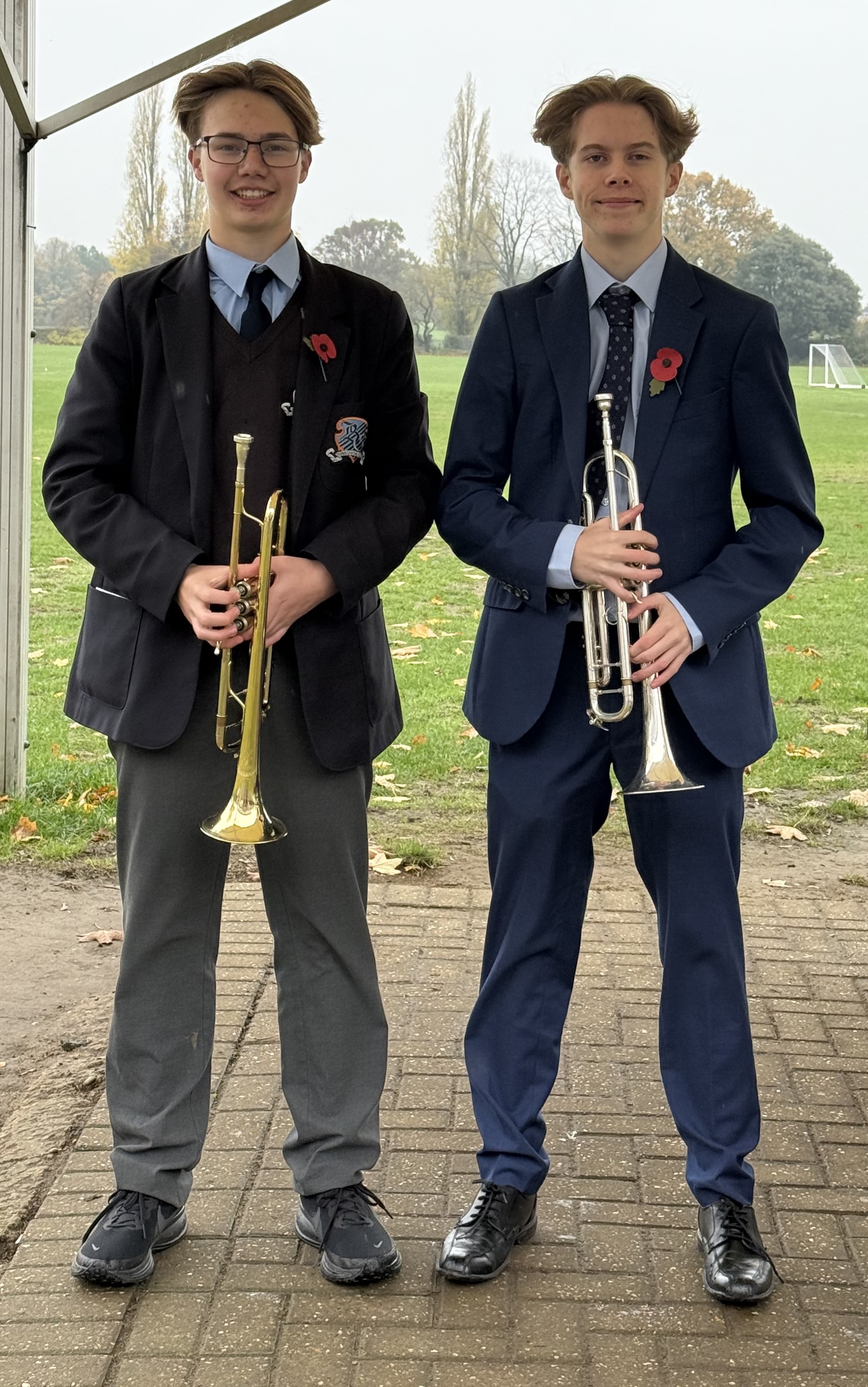 Well Done!



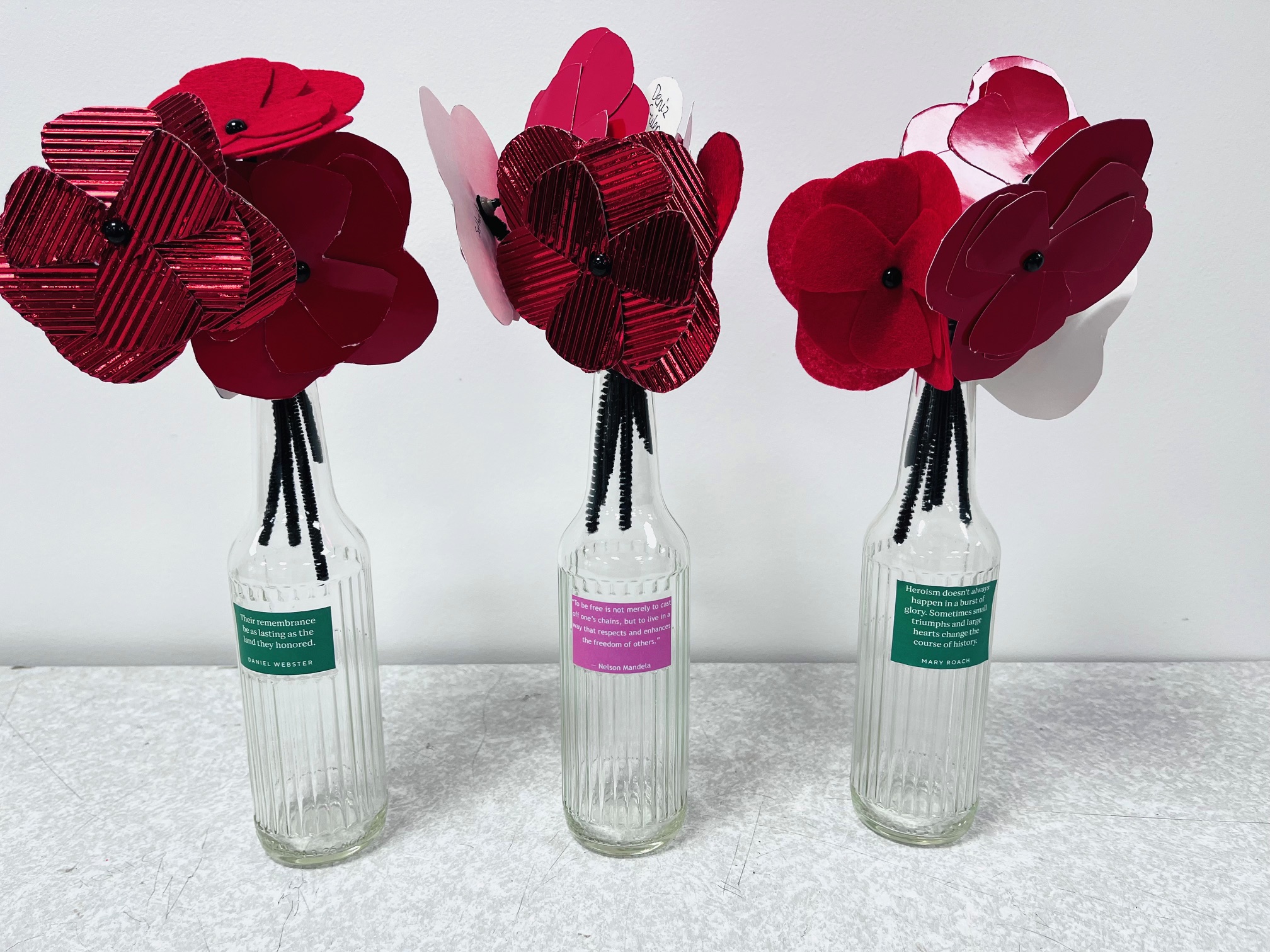
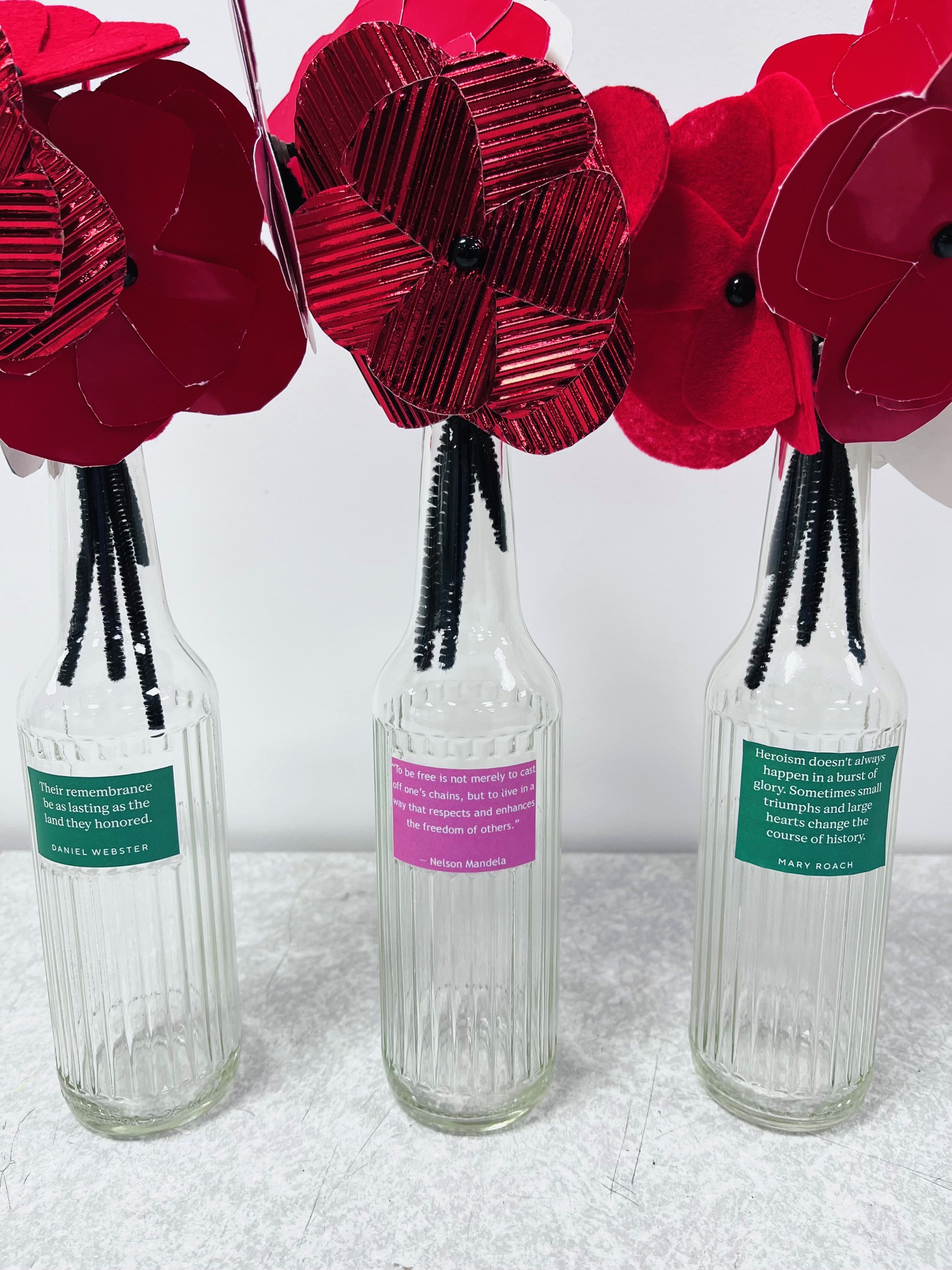
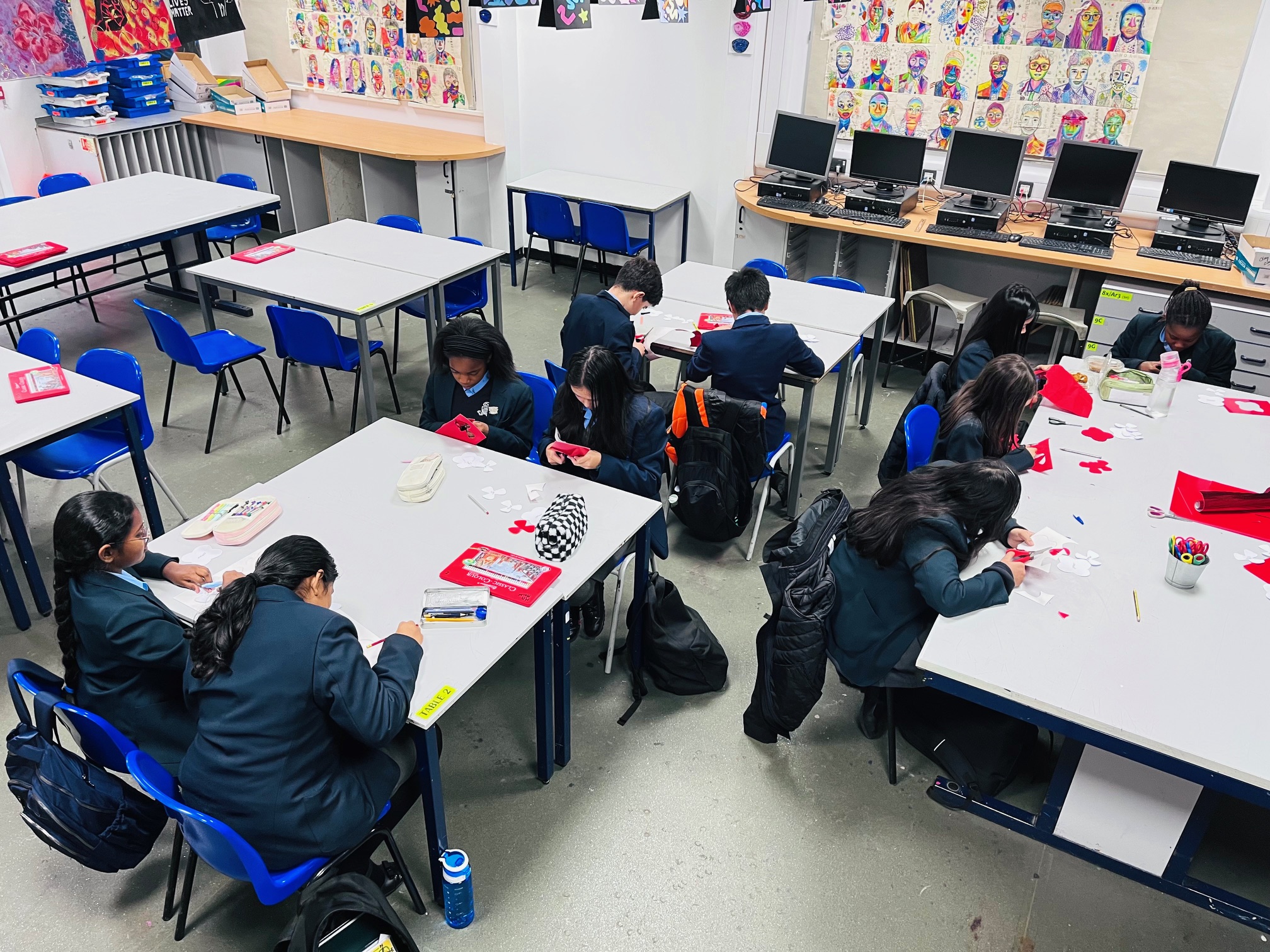
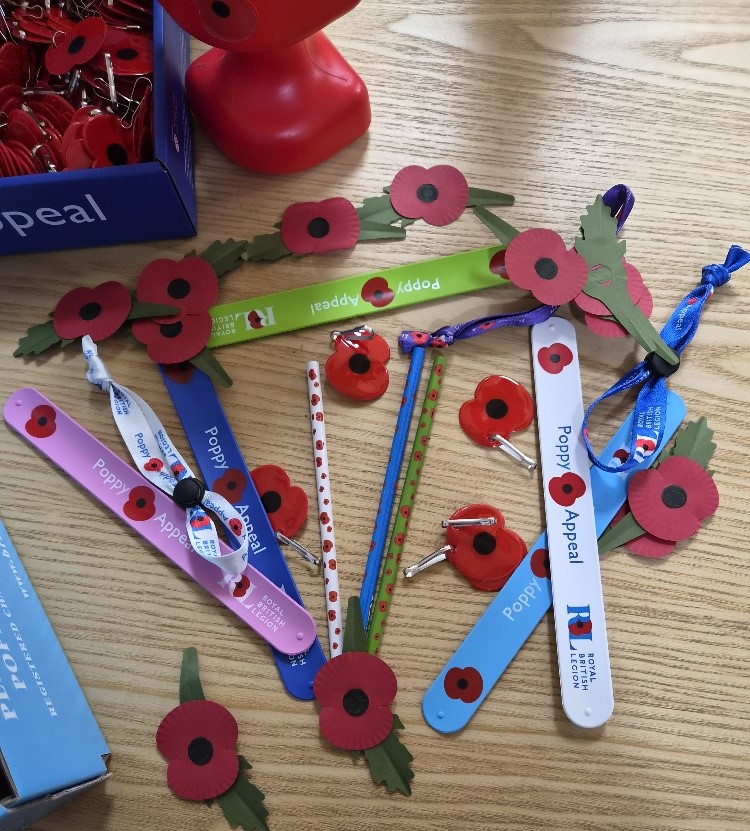
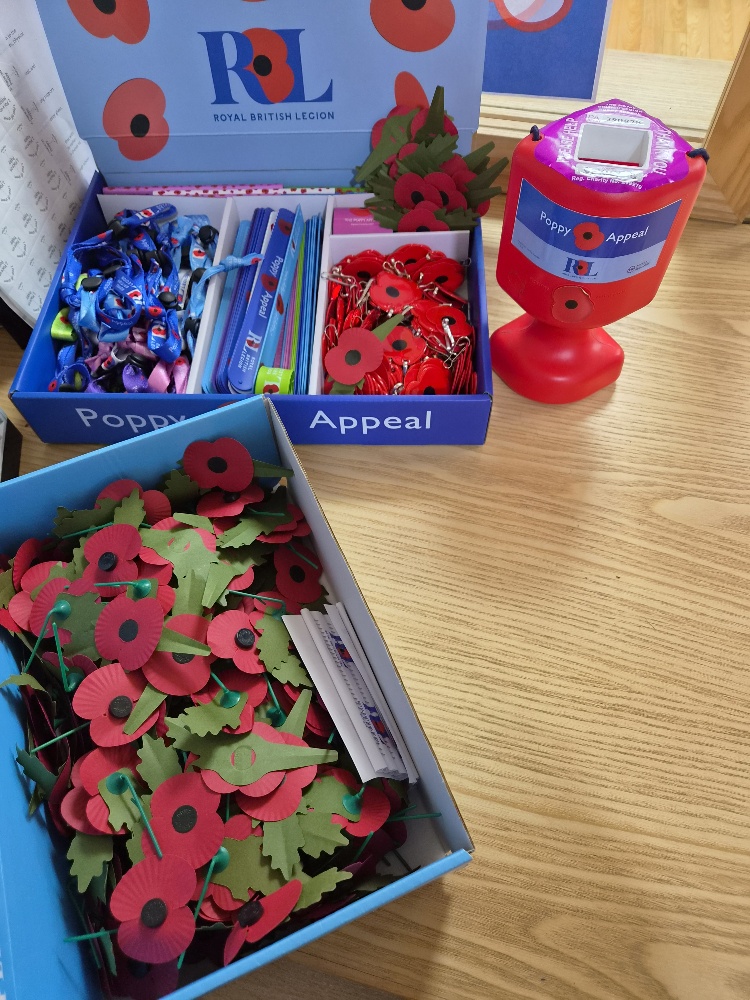
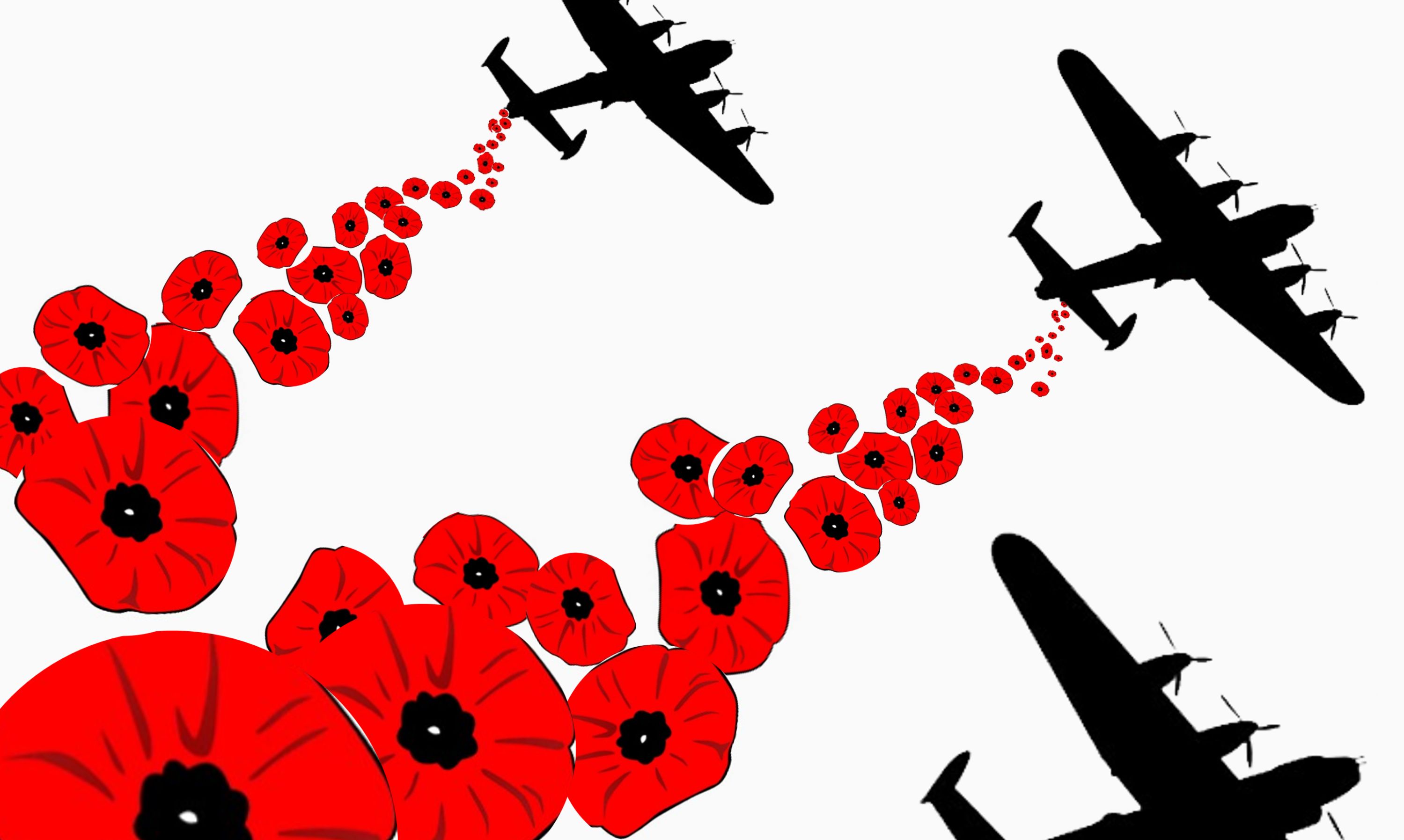 The Royal British Legion Poppy Appeal 2026
 A Notice from the Headteacher

 To celebrate Black History Month in Art, Year 7 created some fantastic portraits inspired by Kehinde Wiley's artwork.


 Happily Ever After ❤



 Free School Meals & Pupil Premium